Sump pump emergency: failure during a storm
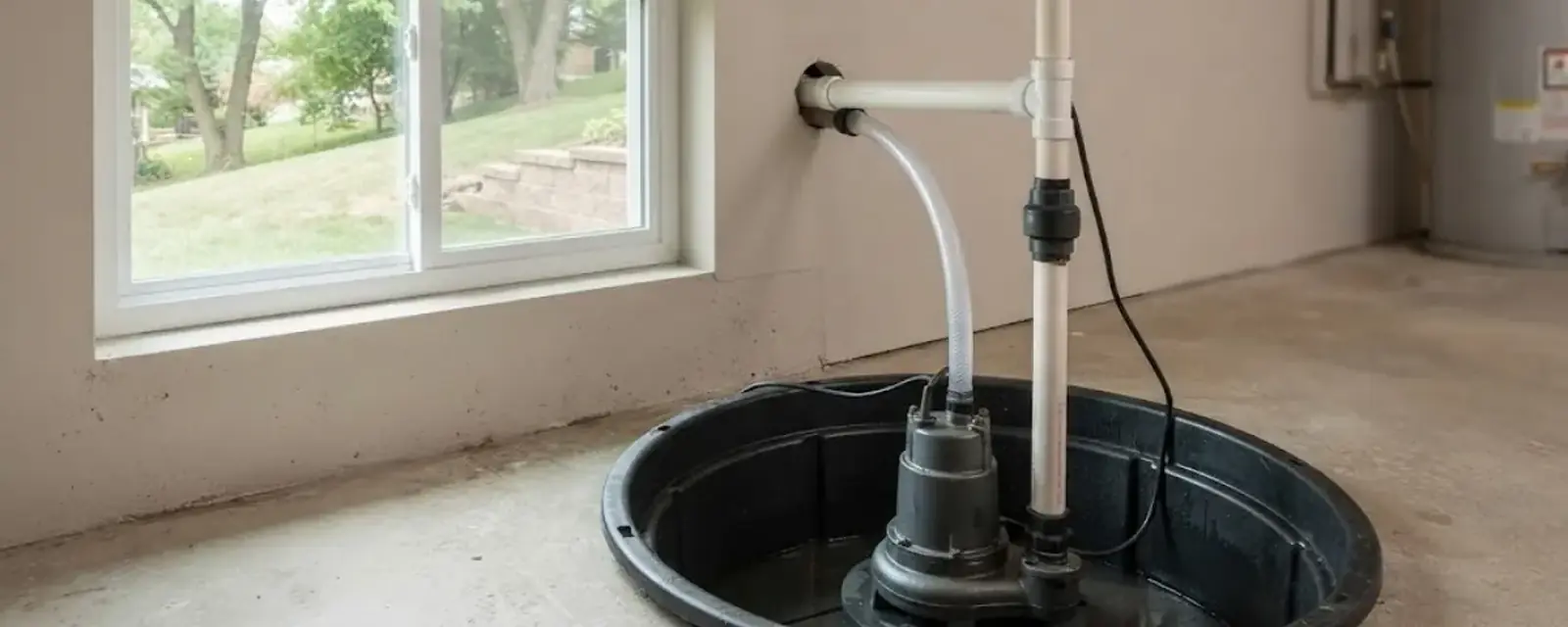
A sump pump sits in a pit at the lowest point of the basement. It pushes groundwater out and away from the house. When it fails in heavy rain, water rises through the floor and cove joint, and the damage starts within hours. The steps below limit it:
- Check the power. A tripped breaker or GFCI outlet is a common culprit
- Look in the pit. If the float is stuck, lift it by hand and see if the pump starts
- Move boxes, electronics and furniture off the floor
- If water is near outlets or the panel, stay out and call a licensed electrician or plumber
- Call the 24/7 line and describe what you see
If the power is out in the storm, a battery backup pump is the only thing that works. If you do not have one, a portable utility pump and a generator may help while you wait.
Why Winchester basements need pumps
The Aberjona River runs through Winchester's town center and meets the Mystic Lakes on the southern border. The town has a documented history of Aberjona flooding. A 2013 news report quoted legislators citing five damaging floods since 1996, and state funding for flood mitigation followed. A water table that rises along the valley affects basements, even in houses well away from the river.
That does not mean every basement is wet. It means sump pump reliability matters here. If your house sits in the valley, near a brook or low ground, a working pump with a backup is cheap insurance against a flood-and-cleanup bill. Ask the plumber how your lot compares to nearby ones. Basements in Arlington, with Mill Brook running through town, raise the same question.
Common sump pump problems
| Symptom | Cause | Fix |
|---|---|---|
| Pump does not start | No power, stuck float, dead motor | Reset, free float, replace pump |
| Runs but moves no water | Clogged intake, failed check valve, frozen discharge | Clean intake, replace valve, clear line |
| Runs constantly | High water table, stuck float, failed check valve | Adjust float, repair valve, check source |
| Loud or grinding | Worn bearings, debris | Replace the pump |
| Short cycling | Pit too small, float set wrong | Resize or reset |
Most pumps last about seven to ten years. If yours is older than that and runs hard, replace it before storm season. A pump that has been unused for months can fail on first use, so test it by pouring a bucket of water into the pit twice a year.
Installing or upgrading a sump system
A new installation starts with a pit. The plumber cuts the floor, sets a liner and places the pump with a check valve and a discharge pipe. A tight lid reduces humidity and radon, and an alarm lets you know when water is rising too high. The discharge line should carry water away from the foundation.
Where the water goes matters. Ask the Winchester Department of Public Works where sump discharge is allowed. Discharging into the sanitary sewer is prohibited in many communities because it overloads the system, and a plumber can route it to the yard or storm drain according to local rules. This is also a good reason to use a licensed plumber.
Battery backups and water-powered backups
A primary pump needs electricity, and storms cut power. A battery backup pump runs on a deep-cycle battery and takes over when the primary fails or the power is out. Some systems send an alert to a phone. Water-powered backups use city water pressure, but they need a suitable supply and discharge route, and some utilities restrict them.
Backups need maintenance. Batteries last a few years and should be tested. If your basement has finished space, the case for a backup is strong. For basement flooding that is more than a pump can handle, see basement waterproofing for drainage and exterior options.
What affects sump pump repair and installation cost
Pump work ranges from a simple swap to a new system. Factors:
Standard homeowner policies often exclude groundwater flooding. A water backup endorsement may cover sump failure, so check before you need it. Want your real number? Call (339) 216-9771 and the price is agreed before work starts.
Sump pump not working?
Call the 24/7 line now.
Sump pumps and sewer ejector pumps
Do not confuse a sump pump with a sewer ejector pump. A sump pump moves groundwater. An ejector pump lifts wastewater from a basement bathroom or laundry to the sewer. They look similar, but they are different systems. If the ejector fails, wastewater has nowhere to go, and the call is more urgent. See our drain cleaning service and sewer line cleaning for related backups.
Plumbing work in Massachusetts falls under the state plumbing code, 248 CMR 10.00, and plumbers are licensed through the Massachusetts Board of State Examiners of Plumbers and Gas Fitters. Ask any plumber to confirm their license and which permit the job needs before work starts.
Written by the Winchester Pro Plumbing team.
Sump Pump Repair questions in Winchester
Pour a bucket of water into the pit. The float should rise, the pump should start and the pit should empty. Test it a couple of times a year and before big storms.
Seven to ten years is typical. A pump that runs constantly may wear out sooner.
Yes. Sump pump failures happen in storms, so the line is staffed around the clock and same-day appointments are offered when available. Say whether the pit is full, whether the pump runs but does not move water and whether the power is out, since each points to a different fix.
Away from the foundation, into the yard or storm drain, as local rules allow. Ask the Winchester DPW. Do not connect it to the sanitary sewer.
If your basement has finished space or stored valuables, or if outages are common, yes. It runs when the main pump or the power fails.
Constant running can mean a stuck float, a failed check valve or a high water table. It wears the pump out, so have it checked.